Conveyor Belts
Conveyor Belts
We fabricate rubber conveyor belts in our own production facility using state-of-the-art equipment. Our experienced team receives continuous education and training through NIBA (The Belting Association) to learn the latest advancements in splicing and fabrication. We have the capabilities to fabricate and install conveyor belting.
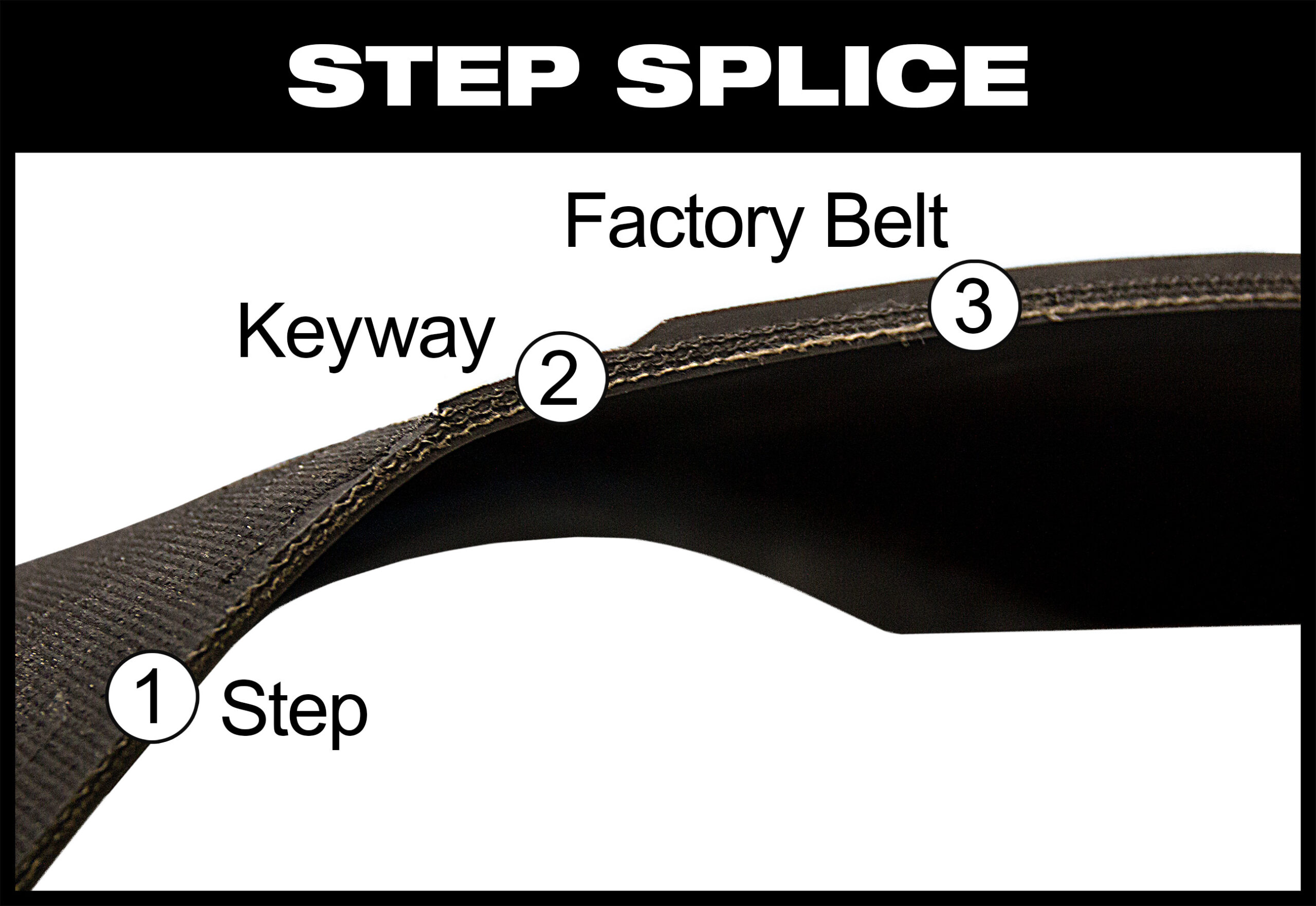
In-House Capabilities
- Cleated Magnetic Separator Belts
- Perforations for Drainage or Vacuum Application
- Hot Vulcanizing for Cleats and Vanner Edges
- Corrugated Sidewall
- V-Guides in Various Profiles
- Impressions Coverings
- Machining of Grooving and Profiles into Covers
- Fabrication of Endless Belts
- Fabrication of Open End or Prepared Laps
- Installation of Mechanical Fasteners (Flexco & Super Screw)
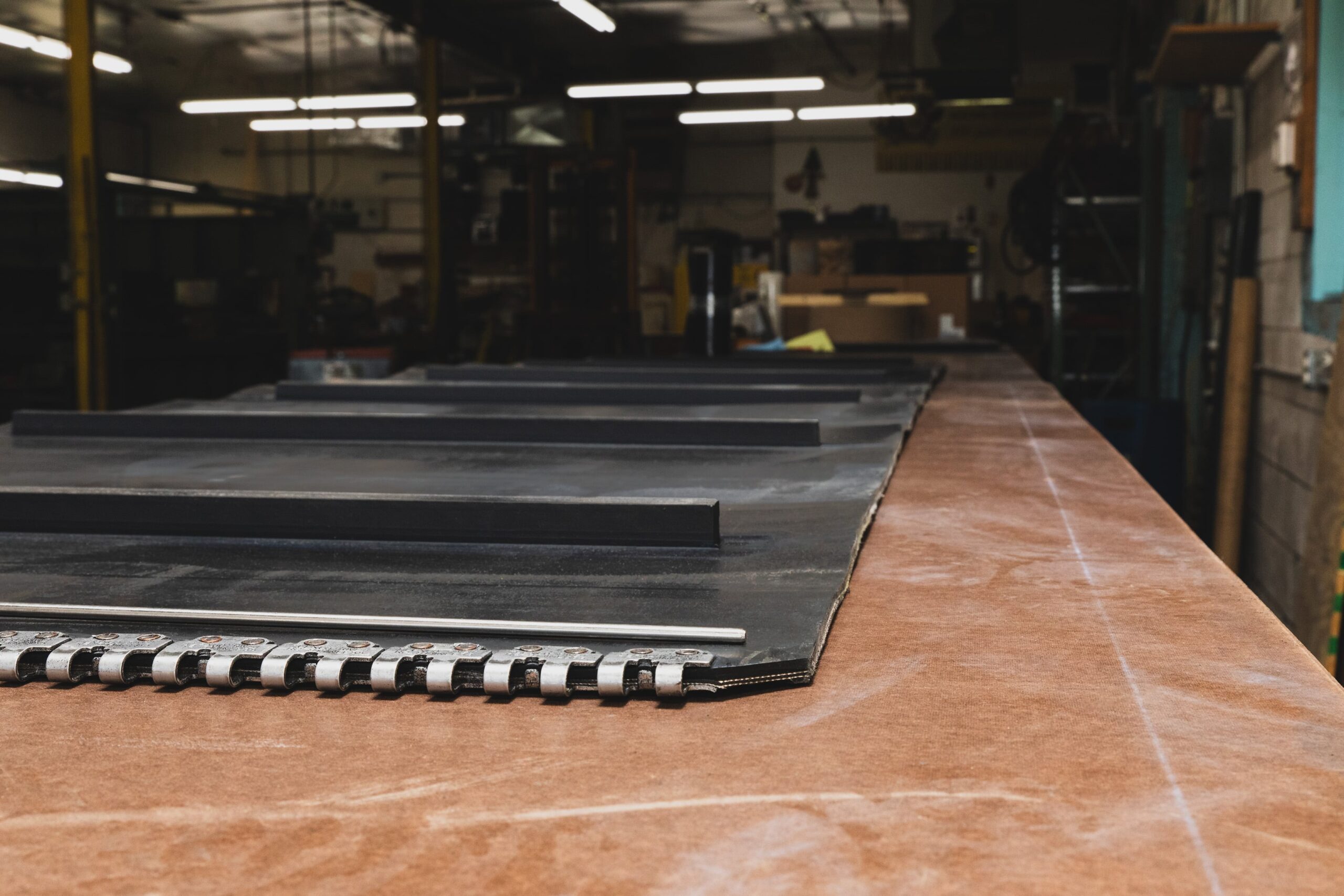
Conveyor Belt Options
- Heavy Duty Black Rubber Belting
- Molded Cleat for Incline
- One Off Reproductions
- OEM Replacement
- Solid Woven/PVC
- Non-Marking Compounds
- Sponge and Rubber Covering for Flat or Power Belts
- Compounds for Grab or Release
- High or Low Operating Temperatures
- Food-Grade Material Requirements
- Lightweight/Monofilaments
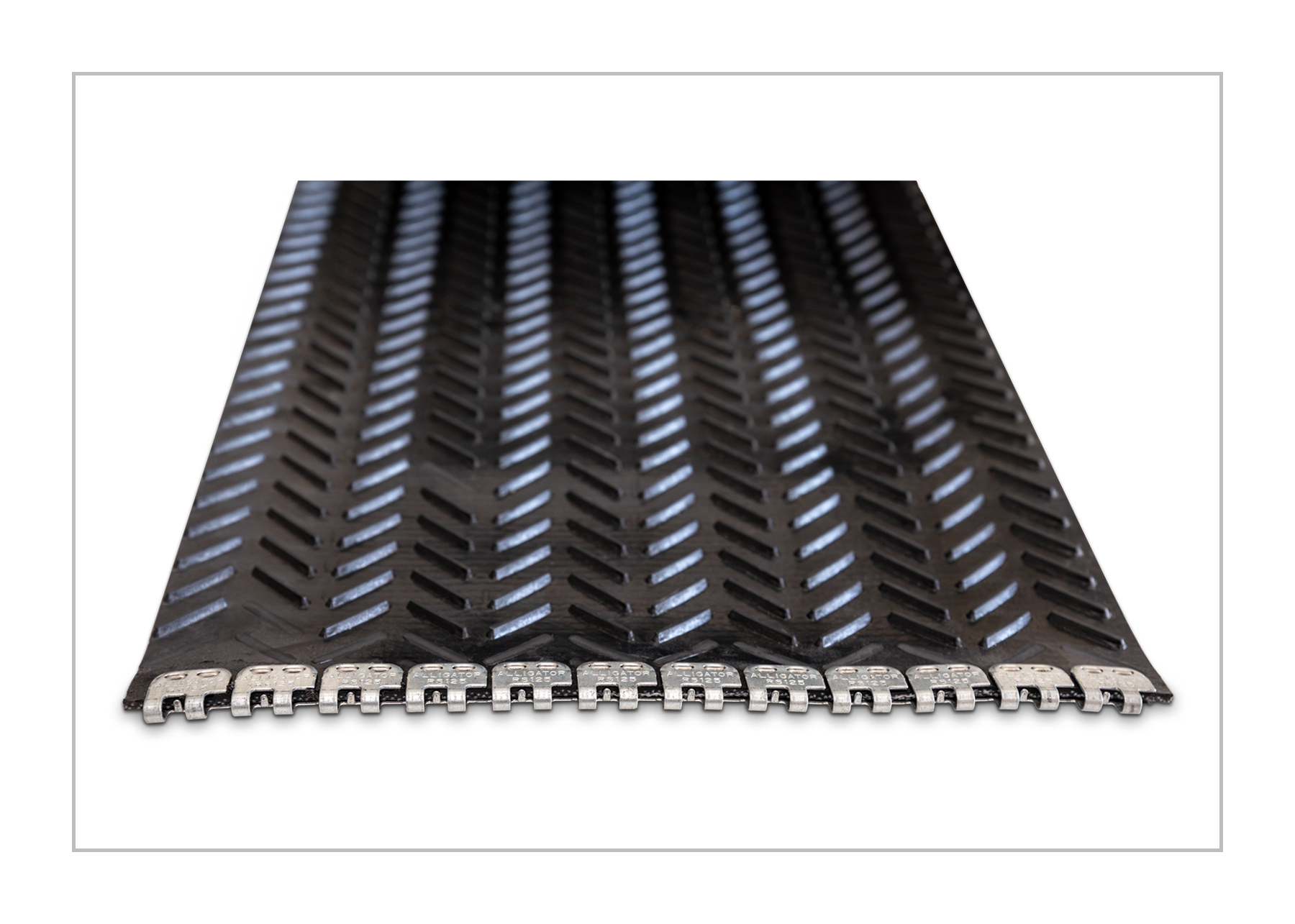
PVC chevron with 125 alligator lace
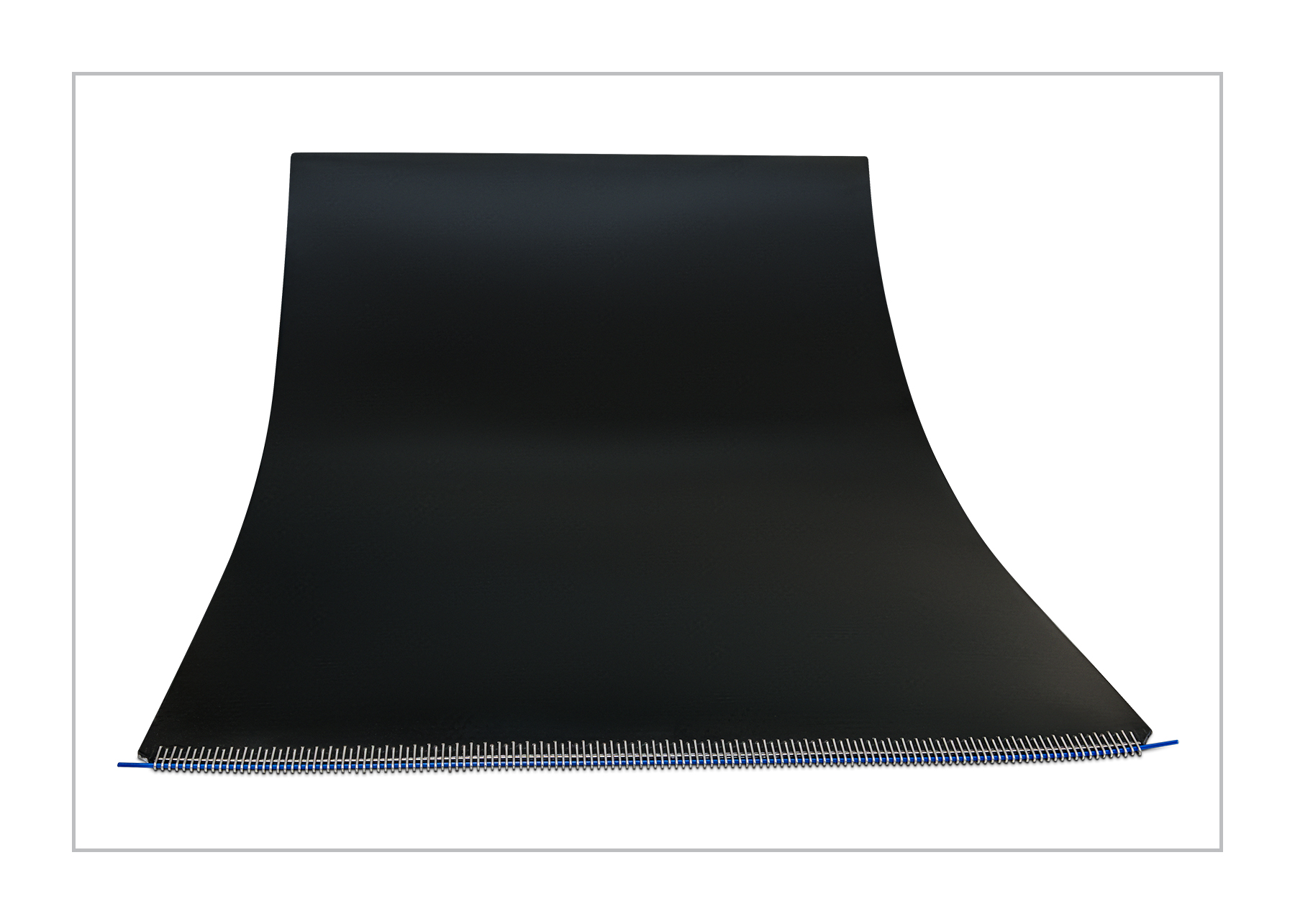
PVC smooth with clipper hook
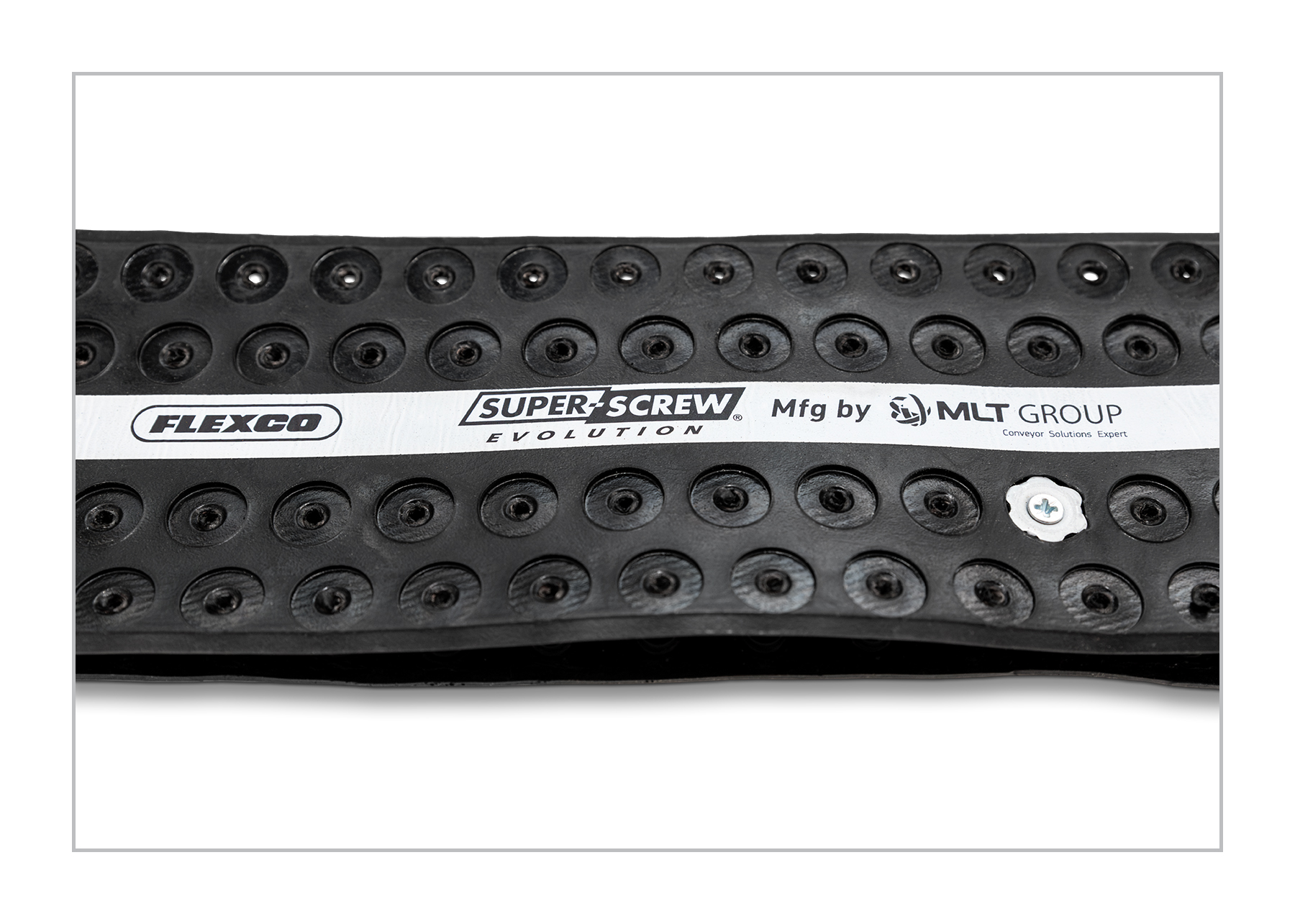
super screw splice
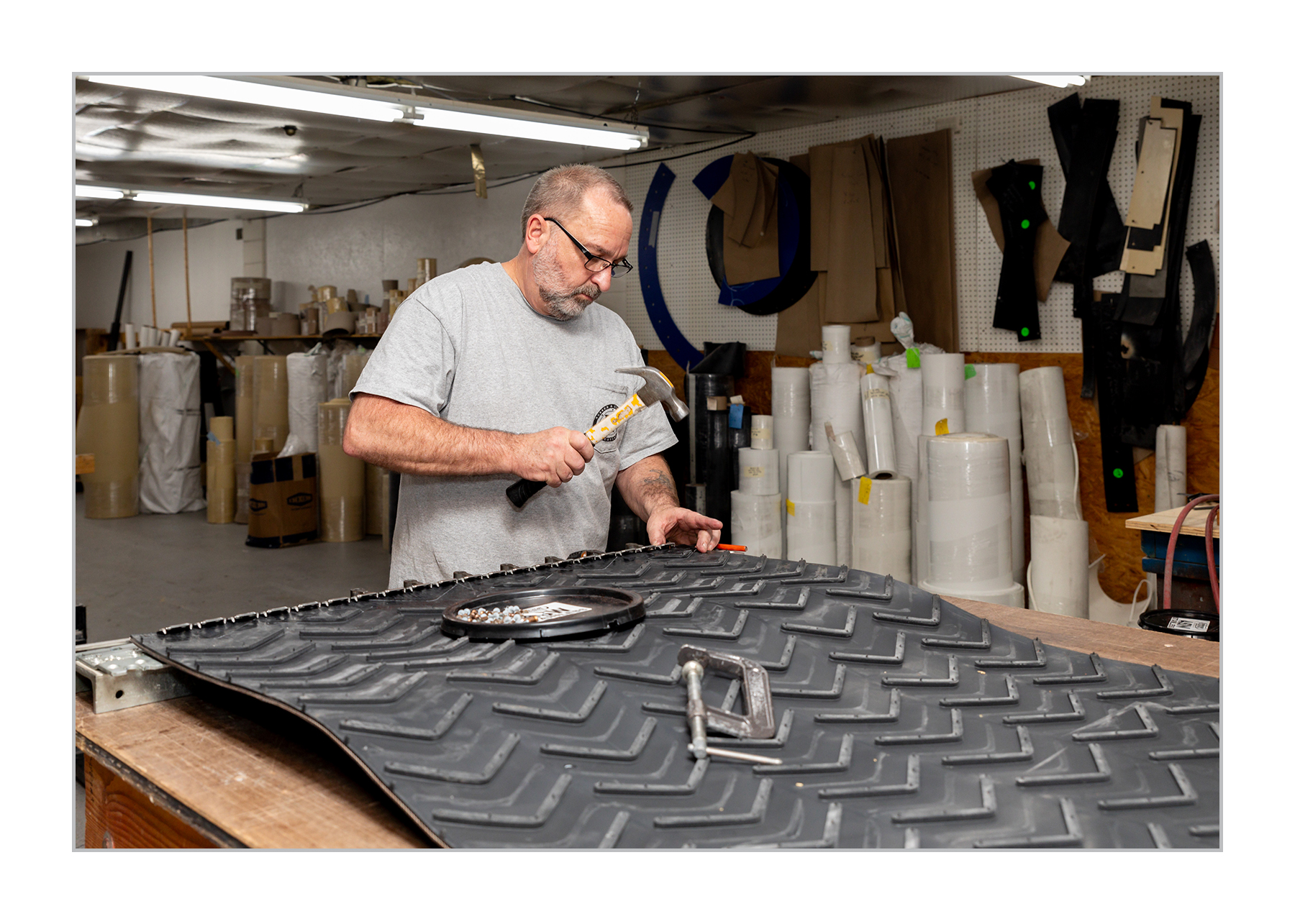
installing R2 fasteners
Conveyor Belts 101
Nothing can set a company back faster than production coming to an unexpected halt. Improve your conveyor system knowledge with our Conveyor Belt Basics including tips on conveyor configuration, diagnosing problematic areas and extending conveyor life.

Conveyor Belt Components
Conveyor belts are generally composed of three main components:
- Carcass
- Skims
- Covers
Carcass
The reinforcement usually found on the inside of a conveyor belt is normally referred to as the carcass. In a sense, the carcass is the conveyor belt since it must:
- Provide the tensile strength
- Absorb the impact of the impinging material being loaded onto the conveyor belt
- Provide the bulk and lateral stiffness required for the load support
- Provide adequate strength for proper splice holding
Skims
- The rubber, PVC or urethane between plies
- Important contributor to internal belt adhesions, impact resistance, and play a significant role in determining belt “load support” and “troughability”
- Improper or marginal skims lead to ply separation and or idler junction failure
Covers
Used in belt construction to protect the carcass and if possible extend service life. Covers do provide the finished belt with a wide variety of desirable properties including:
- Texture
- Cleanability
- Chemical Resistant
NIBA Belt Tracking Video
00:00 Introduction
01:40 General Mechanics
07:00 Lightweight Belts
09:26 Heavyweight Belts
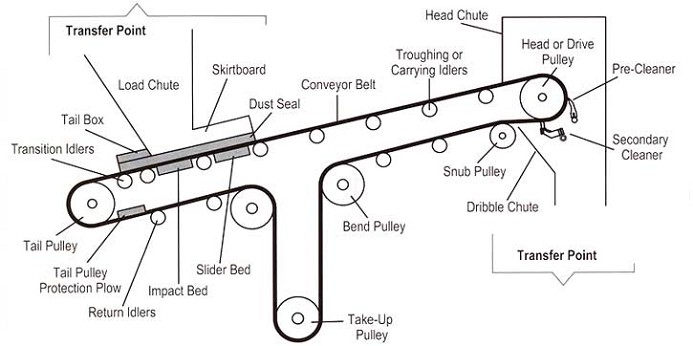
Typical Conveyor Configuration
General Conveyor Problems
- Excessive Cover Wear /Carcass Failure
- Splice Failure
- Slippage at drive
- Tracking
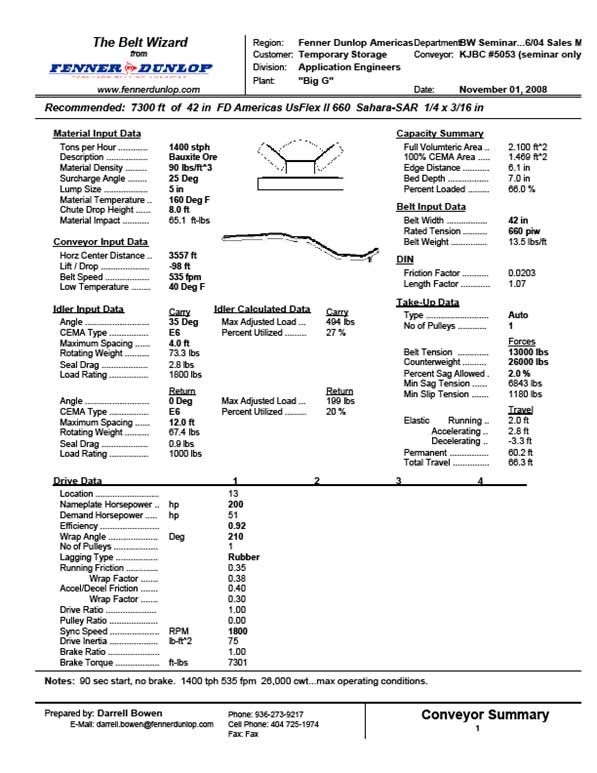
Charts/Specs
Drive Changes / Changes in Load
- Increased drive HP
- Reducer/V-Belt Drive Change
- Increase in tonnage handled
- Change in weight or consistency of material being conveyed
- Change in starting system
- Major changes in ambient temperature
- Frozen Idlers
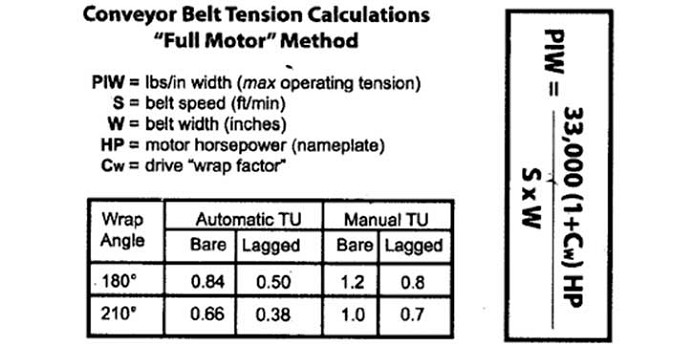
Tension Calculations Using The Full Motor Method
Corrective Action
- Replacement of failed components
- Lubrication
- Clean up or house keeping
- Record action taken to gauge progress
General Tracking / Training Procedures
- Tracking is the process of adjusting idlers, pulleys and loading conditions in a manner that corrects off running
- Tracking should begin on the return side near the head pulley and move toward the tail
- Track the belt empty at first and then loaded
- Make adjustments preceding the region of trouble
- Permit the conveyor to make several revolutions
- If over correction has occurred, move back the same idler
- If the belt runs to one side at a particular point on the conveyor, the cause is probably an alignment problem preceding the trouble area
FAQs
Q: What is proper minimum belt tension on a conveyor belt?
A: Proper minimum belt tension is the required tension necessary for the belt conveyor (or belt elevator system) to operate properly for its intended application and in its current environment.
-
-
- Minimum belt tension is great enough so that the belt conforms to the crown on any crowned pulley.
- Minimum belt tension is great enough so that the belt does not slip in relation to the drive pulley’s standard conditions, as well as demands.
-
Q: What are the top conveyor belt tracking problems?
A: There are eight common conveyor belt tracking problems to be aware of.
-
-
- Belt Camber
- Skew (Bow)
- Too low belt tension
- Failure to properly square belt ends
- Poor installation of mechanical fasteners
- Improperly executed belt splice or vulcanization
- Structural defect or maladjustment in the conveyance system
- Material Build-up
-